
Pest control is often viewed as a facility-level or hygiene-related concern. However, in modern operational environments, pest risks extend far beyond cleanliness. They can directly impact business continuity, product integrity, regulatory compliance, and brand reputation.
From food processing facilities and healthcare environments to warehouses, logistics hubs, and commercial buildings, pest-related incidents can quickly escalate from a minor operational issue into a serious business risk.
The key challenge is that pest threats are often gradual and invisible in their early stages. By the time they become noticeable, contamination, damage, or compliance violations may already have occurred.
This is why organizations are shifting toward a more structured and proactive approach known as Integrated Pest Management (IPM).
Understanding the Business Impact of Pest Risks
Pest-related issues are not just operational inconveniences; they can trigger wide-ranging consequences across multiple areas of a business.
1. Operational Disruption
Pest infestations can interrupt normal operations, especially in industries that rely on hygiene and controlled environments. Production lines may need to be stopped, storage areas may become unusable, and facilities may require immediate remediation.
Even short disruptions can impact productivity, delivery timelines, and customer commitments.
2. Contamination Risks
In industries such as food production, pharmaceuticals, and healthcare, pests pose a direct contamination risk. This can compromise product safety, lead to recalls, and damage consumer trust.
Contamination incidents often require extensive corrective actions and can have long-term financial consequences.
3. Regulatory and Compliance Issues
Many industries are subject to strict hygiene and safety regulations. Pest infestations or inadequate control measures can result in compliance violations, audits, penalties, or even operational shutdowns.
Regulatory bodies expect organizations to maintain preventive systems, not just reactive pest control measures.
4. Reputation and Brand Damage
Perhaps the most long-lasting impact of pest-related incidents is reputational damage. In today’s digital environment, news of contamination or poor facility conditions spreads quickly, affecting customer confidence and brand perception.
Rebuilding trust after such incidents can take significant time and resources.
Why Traditional Pest Control Is Not Enough
Many organizations still rely on reactive pest control methods, responding only after an issue has been identified.
While this approach may address visible infestations, it does not eliminate the underlying risk factors that allow pests to enter and thrive in the first place.
Reactive pest control is limited because:
It focuses on treatment rather than prevention
It does not provide continuous monitoring
It fails to identify early warning signs
It lacks structured risk assessment and planning
In modern operational environments, this reactive approach is no longer sufficient.
Organizations need a system that is continuous, preventive, and integrated into overall operational management.
Integrated Pest Management (IPM): A Structured Approach
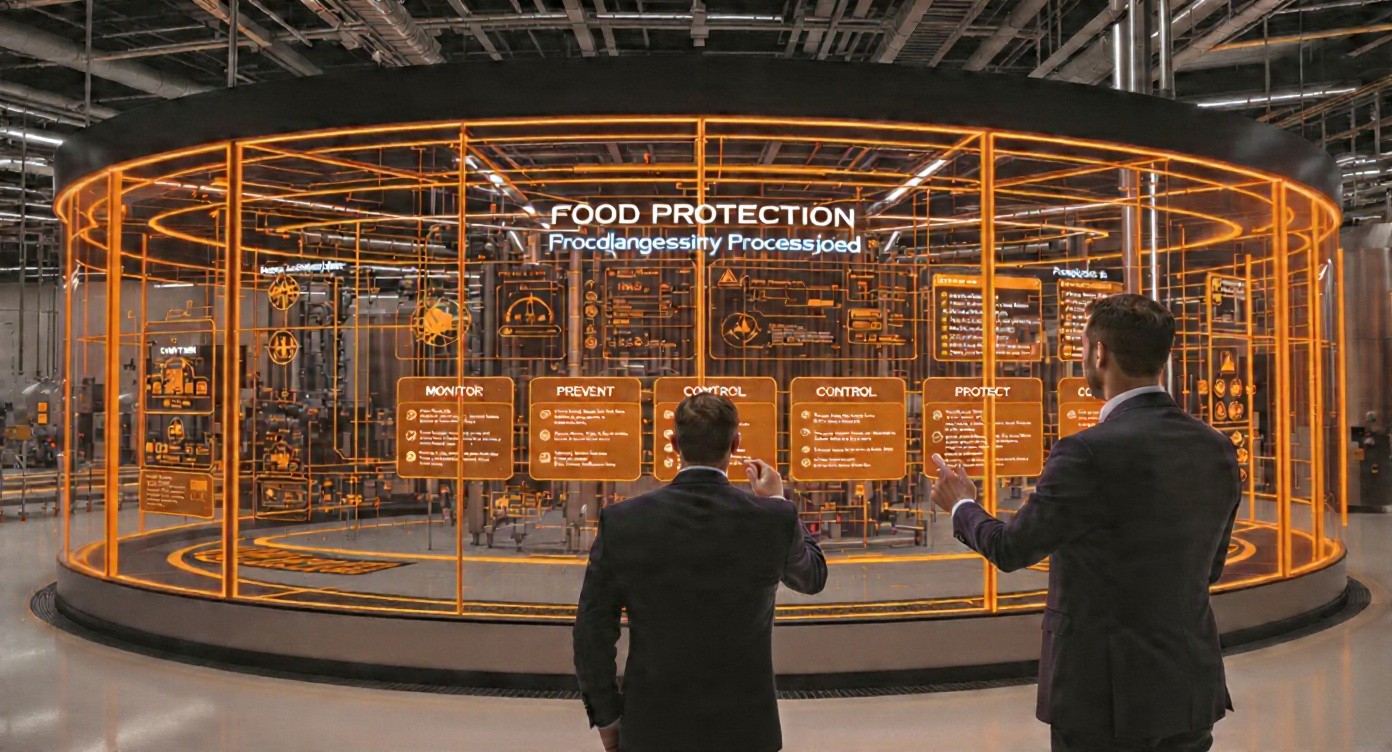
Integrated Pest Management (IPM) is a proactive, structured approach to pest control that focuses on prevention, monitoring, and risk reduction rather than reactive treatment.
Instead of relying solely on chemical treatments or periodic inspections, IPM combines multiple strategies to manage pest risks effectively.
Continuous Monitoring
One of the core principles of IPM is ongoing monitoring of facilities and environments.
This involves:
Regular inspection of vulnerable areas
Monitoring pest activity indicators
Tracking environmental conditions that attract pests
Identifying early signs of infestation
Continuous monitoring ensures that risks are detected early, before they escalate into operational or contamination issues.
Preventive Control Measures
IPM emphasizes prevention as the primary strategy for pest management.
Preventive measures may include:
Sealing entry points and structural gaps
Improving waste management practices
Maintaining hygiene and sanitation standards
Controlling moisture and environmental conditions
Implementing proper storage protocols
By addressing root causes, organizations reduce the likelihood of pest activity occurring in the first place.
Reduced Contamination Risk
By combining monitoring and prevention, IPM significantly reduces the risk of contamination in sensitive environments.
This is particularly important in industries where product integrity and hygiene are critical.
A structured IPM system helps ensure that:
Risks are identified early
Contamination sources are controlled
Operational environments remain safe and compliant
This leads to improved safety standards and reduced operational risk exposure.
The Business Value of Integrated Pest Management
IPM is not just a facility management practice; it is a business protection strategy.
When implemented effectively, it provides several key benefits:
Improved operational continuity
Reduced risk of contamination and product loss
Stronger compliance with regulatory requirements
Enhanced workplace safety and hygiene
Better protection of brand reputation
Organizations that adopt structured pest management systems are better equipped to maintain consistent operations and avoid unexpected disruptions.
How GUTS Supports Integrated Pest Management Capability
Building an effective Integrated Pest Management system requires more than routine pest control services. It requires structured processes, trained personnel, and a proactive risk management mindset.
GUTS supports organizations in strengthening IPM capability through:
Awareness and training on Integrated Pest Management principles
Structured risk identification and prevention strategies
Operational guidance for continuous monitoring systems
Best-practice frameworks for contamination risk reduction
Capability development aligned with industry standards
By focusing on prevention, monitoring, and structured implementation, GUTS helps organizations move from reactive pest control to proactive risk management.
Conclusion
Pest risks are often underestimated until they become operational or compliance issues. However, in modern business environments, even small pest-related incidents can escalate into significant business risks affecting operations, safety, and reputation.
Integrated Pest Management provides a structured, preventive, and continuous approach to managing these risks effectively. By combining monitoring, prevention, and control strategies, organizations can significantly reduce exposure and improve operational resilience.
Ultimately, pest management is no longer just about maintaining cleanliness; it is about protecting business continuity and ensuring long-term operational stability.
Strengthen your Integrated Pest Management capability with GUTS.
Explore More

How Data Science Can Uncover the Hidden Potential of Your Business
Data Science

Why Cybersecurity Matters More Than Ever in Today’s Digital World
Cybersecurity

Audit & Certification Preparedness in 2025: Securing Cyber Resilience
Cybersecurity

How BI Data Science-Dashboards Drive Smarter Business in 2025
Data Analytics

