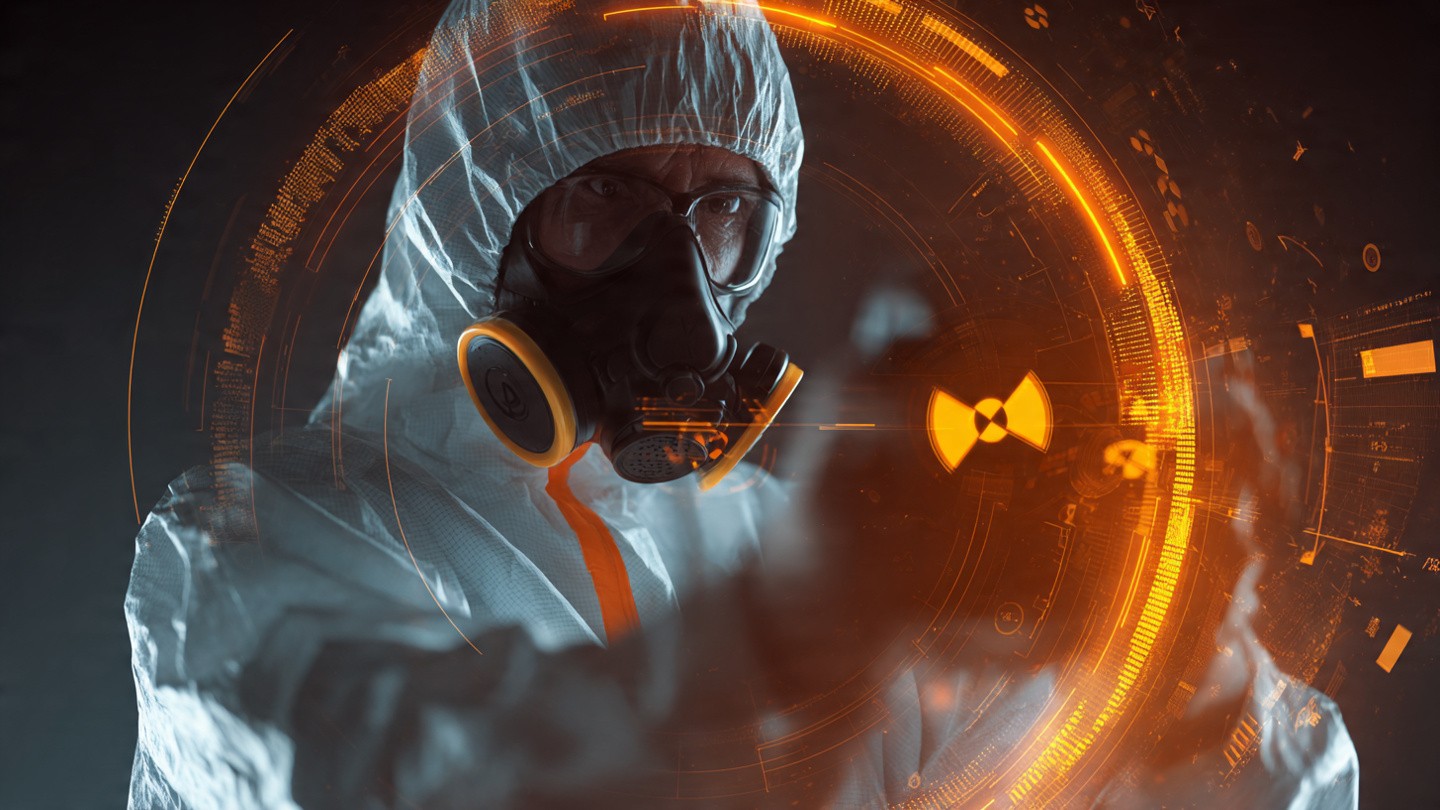


Radiation technologies are essential across many industries. In healthcare, they enable diagnostic imaging and life-saving treatments. In research and industrial environments, radiation supports inspection, testing, and scientific advancement. While these technologies bring significant benefits, they also introduce risks that must be carefully managed.
Radiation cannot be seen, smelled, or felt. Yet, improper exposure can have serious consequences for both individuals and organizations. This makes radiation safety not just a technical requirement but a professional responsibility.
Managing radiation safely requires more than basic awareness. It requires structured knowledge, clear procedures, and certified expertise. Organizations that work with radiation must ensure that trained professionals oversee safety practices, regulatory compliance, and operational controls.
This is where Radiation Protection Officer (RPO) training plays a critical role.
The Importance of Radiation Safety Oversight
Radiation safety is built on the principle of prevention. The goal is not simply to respond to incidents but to ensure that exposure risks are minimized before they occur.
In environments where radiation is present, such as hospitals, laboratories, industrial facilities, and research institutions, daily operations may involve equipment or materials that emit radiation. Without proper oversight, even routine procedures can create unnecessary exposure risks.
Strong radiation safety practices ensure that:
Exposure levels remain within safe limits
Protective systems and procedures are properly implemented
Personnel understand how to work safely around radiation sources
Regulatory requirements are consistently met
Achieving these objectives requires professionals who are trained to understand both the science and the operational realities of radiation safety.
The Role of a Radiation Protection Officer
A Radiation Protection Officer (RPO) is responsible for overseeing radiation safety within an organization. This role involves monitoring radiation use, implementing safety protocols, and ensuring that all activities involving radiation comply with regulatory standards.
The RPO acts as a bridge between operational teams and regulatory frameworks. They ensure that radiation safety policies are not only documented but actively applied in day-to-day operations.
Responsibilities typically include:
Monitoring radiation exposure levels
Implementing safety procedures and protective controls
Maintaining regulatory documentation and compliance records
Conducting safety audits and inspections
Providing guidance and training to personnel working with radiation
Given the importance of these responsibilities, the role requires specialized knowledge and professional certification.
Radiation Protection Officer Training
Radiation Protection Officer training is designed to equip professionals with the skills and knowledge required to manage radiation safety effectively.
The course provides a structured framework that combines theoretical understanding with practical application. Participants learn how to identify radiation hazards, implement protection measures, and maintain compliance with regulatory standards.
More importantly, the training prepares professionals to manage radiation risks within real operational environments.
This capability is essential for organizations that rely on radiation technologies as part of their daily operations.
What Participants Learn
A comprehensive RPO training program covers several key areas that are essential for effective radiation safety management.
Understanding Radiation Protection Principles
Participants develop a strong foundation in the principles of radiation safety. This includes understanding how radiation interacts with materials and biological systems, as well as the factors that influence exposure risk.
Core protection concepts such as time, distance, and shielding are explored in detail, providing professionals with practical strategies to reduce exposure in operational settings.
Understanding these principles allows participants to assess risk accurately and make informed decisions about safety controls.
Implementing Monitoring and Control Measures
Radiation safety relies on effective monitoring systems. RPO training introduces participants to the tools and techniques used to measure radiation levels and track exposure.
Participants learn how to:
Use radiation monitoring equipment
Establish exposure monitoring programs
Implement protective barriers and shielding
Develop safety procedures for radiation work areas
These control measures ensure that radiation exposure remains within acceptable limits and that safety systems are consistently applied.
Ensuring Regulatory Compliance
Radiation use is governed by strict national and international regulations designed to protect workers, the public, and the environment.
RPO training helps professionals understand these regulatory frameworks and the responsibilities organizations must fulfill to remain compliant.
Participants learn how to:
Maintain regulatory documentation
Conduct internal safety audits
Implement compliance procedures
Prepare for regulatory inspections
By understanding these requirements, organizations can operate confidently while avoiding legal and operational risks associated with non-compliance.
Managing Radiation Risks in Operational Environments
Radiation safety must function within real-world operational conditions. This requires professionals who can identify risks, implement controls, and respond effectively when challenges arise.
RPO training focuses on developing practical risk management skills.
Participants learn how to assess radiation hazards in different environments, develop safety protocols, and respond to potential incidents. This ensures that organizations can maintain safe working conditions while continuing to operate efficiently.
Why Certified Expertise Matters
Radiation safety is not an area where assumptions or incomplete knowledge can be tolerated. Certified expertise provides the assurance that professionals responsible for safety have the knowledge and capability required to manage risks effectively.
Organizations benefit from certified radiation safety professionals in several ways.
Protection of Personnel
Trained Radiation Protection Officers ensure that workers and other individuals in the environment are protected from unnecessary radiation exposure.
Regulatory Compliance
Certified professionals understand regulatory obligations and help organizations maintain full compliance with applicable standards.
Operational Confidence
Clear safety protocols and professional oversight allow teams to work confidently with radiation technologies while minimizing risk.
Organizational Integrity
Demonstrating a commitment to radiation safety reinforces trust with regulators, partners, and stakeholders.
In industries where safety and compliance are critical, certified expertise provides both protection and credibility.
Building Professional Capability in Radiation Safety
As the use of radiation technologies continues to grow across industries, the demand for qualified radiation safety professionals is increasing. Organizations must ensure that their teams have the knowledge and capability required to manage these technologies responsibly.
Structured professional training provides the pathway to building this capability.
By developing internal expertise, organizations strengthen their safety culture, improve operational oversight, and ensure that radiation technologies are used responsibly and effectively.
Conclusion
Radiation safety is a critical responsibility that requires knowledge, discipline, and professional oversight. Without trained professionals managing safety systems, organizations risk exposing personnel, violating regulations, and compromising operational integrity.
Radiation Protection Officer training provides the expertise needed to manage these risks effectively. By equipping professionals with the knowledge to monitor radiation, implement protective measures, and maintain compliance, organizations can ensure safe and responsible operations.
In environments where radiation is present, safety must always come first.
Develop professional capability in radiation safety through the Radiation Protection Officer training course by GUTS and ensure your organization operates with confidence, compliance, and responsibility.
Explore More

How Data Science Can Uncover the Hidden Potential of Your Business
Data Science
Why Cybersecurity Matters More Than Ever in Today’s Digital World
Cybersecurity
Audit & Certification Preparedness in 2025: Securing Cyber Resilience
Cybersecurity

How BI Data Science-Dashboards Drive Smarter Business in 2025
Data Analytics

