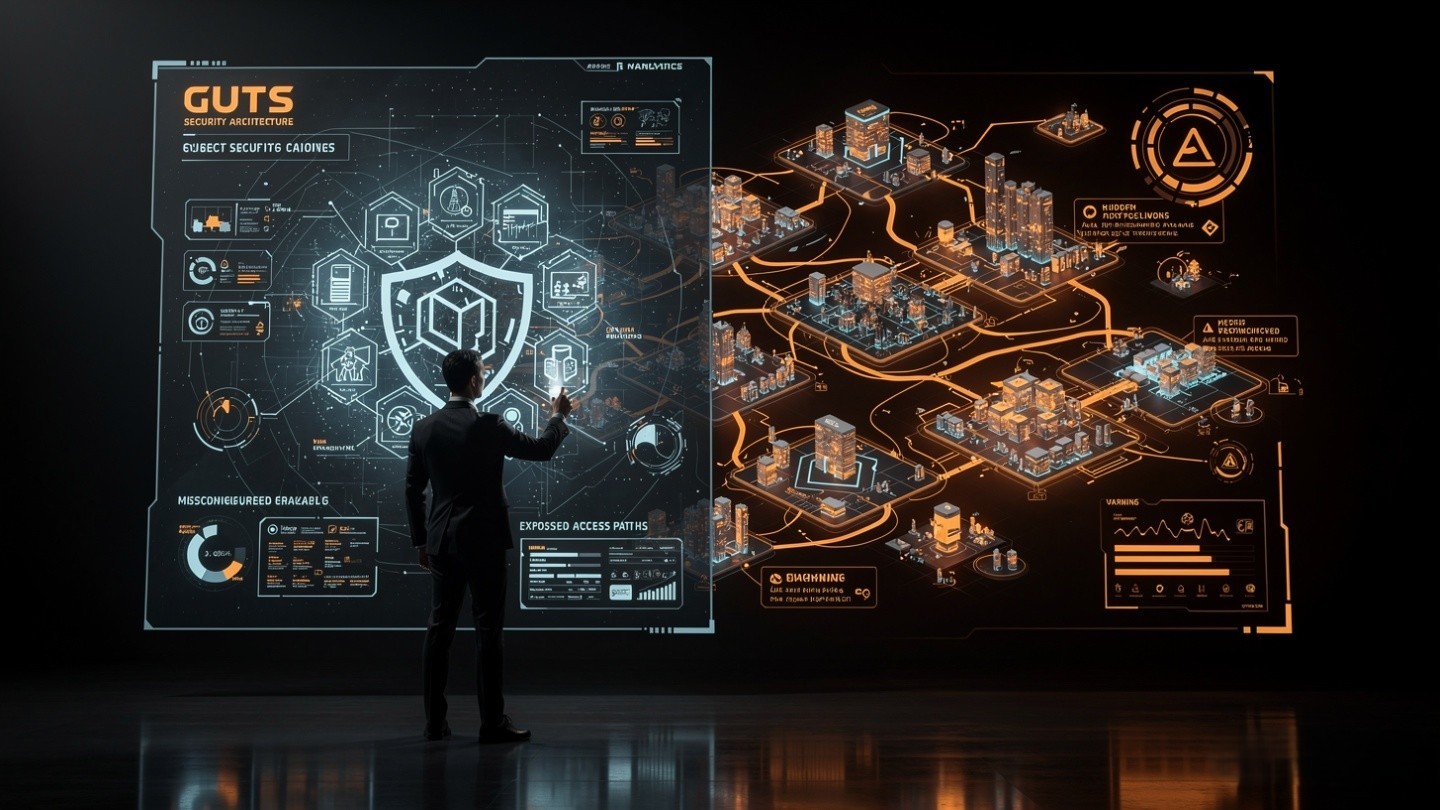


Most organizations believe their cybersecurity is stronger than it actually is. On paper, everything looks solid: policies are documented, tools are deployed, controls are configured, and frameworks are in place. Yet in practice, breaches still happen, systems still get compromised, and incidents still escalate faster than expected.
This gap between security design and operational reality is where most security failures occur.
Cybersecurity doesn’t usually break because organizations lack investment or intent. It breaks because what is designed in boardrooms and architecture diagrams does not always translate into how systems behave in real-world conditions.
Understanding this disconnect is critical for building truly resilient security programs.
The Illusion of Security by Design
Security design typically happens at a conceptual or planning level. Architects and security teams define how systems should behave under ideal conditions. They establish frameworks such as:
Access control policies
Network segmentation models
Encryption standards
Incident response procedures
Compliance-aligned security controls
In this phase, everything is structured, controlled, and predictable.
The problem is that design assumes consistent user behavior, consistent system configurations, and consistent enforcement of policies.
But real environments are not consistent.
They are dynamic, messy, and constantly changing.
Where the Gap Begins: Complexity in Real Systems
Modern IT environments are far more complex than traditional security models were designed for.
Organizations now operate across:
Cloud and hybrid infrastructures
Remote and distributed workforces
Third-party integrations and APIs
Legacy systems alongside modern platforms
Rapid software deployment cycles (DevOps, CI/CD)
Each layer introduces new dependencies, configurations, and potential misalignments.
Even a perfectly designed security architecture can fail when applied in such a fluid environment.
For example:
A firewall rule is correctly designed but misconfigured during deployment
Access controls are defined, but not consistently enforced across cloud environments
A security policy exists, but is not followed during fast-paced operations
The result is a system that looks secure in documentation but behaves differently in reality.
Human Behavior: The Most Unpredictable Variable
One of the biggest reasons security breaks down between design and reality is human behavior.
Security systems are designed with rules, but humans operate with context, urgency, and convenience.
In real environments, users often:
Reuse passwords despite policy restrictions
Click on phishing links under pressure
Bypass security controls to complete tasks faster
Misconfigure systems due to a lack of training or time
Even well-trained employees can unintentionally introduce risk when operational demands take priority over security procedures.
This creates a consistent mismatch between intended security behavior and actual user behavior.
No design can fully eliminate this factor, but it must account for it.
Configuration Drift: When Systems Change Over Time
Another major contributor to the design-reality gap is configuration drift.
Security systems are not static. Over time, environments evolve due to:
Software updates
Infrastructure scaling
Emergency fixes and patches
Third-party integrations
Temporary rule changes that become permanent
As these changes accumulate, systems gradually deviate from their original secure configuration.
For example:
A temporary exception in access control remains active long-term
Logging settings are reduced for performance reasons
Security patches are delayed due to operational constraints
These small deviations may seem insignificant individually, but collectively they create exploitable vulnerabilities.
Design assumes stability. Reality introduces change.
The Speed Problem: Security vs Operations
Modern organizations prioritize speed, faster deployments, faster releases, and faster access to systems.
Security design, however, often requires careful validation, testing, and approval processes.
This creates tension between:
Security controls (structured, controlled, slow-moving)
Business operations (fast, flexible, continuously changing)
In many cases, operational urgency overrides security processes.
Examples include:
Developers bypassing security reviews to meet deadlines
IT teams are disabling controls to resolve urgent issues
Cloud resources are being deployed without full security validation
Over time, these shortcuts become normalized, widening the gap between design and reality.
Lack of Continuous Validation
One of the most overlooked reasons security breaks down is the absence of continuous validation.
Organizations often assume that once security controls are implemented, they remain effective.
But in reality:
Threats evolve
Systems change
Attackers adapt
Controls degrade over time
Without regular testing and validation, organizations cannot confirm whether their security design is still functioning as intended.
This is why many breaches occur in environments that were previously considered “secure.”
Security is not a one-time design exercise; it is a continuously evolving capability.
Visibility Gaps: What You Can’t See, You Can’t Secure
Another critical issue is the lack of visibility.
Security design often assumes full visibility into systems, networks, and user activity. However, real environments often contain blind spots such as:
Unmonitored endpoints
Shadow IT systems
Unlogged or partially logged activity
Encrypted traffic without inspection
Without full visibility, security teams operate with incomplete information. This makes detection slower and response less effective.
Attackers often exploit these blind spots, staying undetected for extended periods.
Bridging the Gap Between Design and Reality
Closing the gap between security design and operational reality requires a shift in mindset from static design to adaptive security management.
Organizations can strengthen alignment by focusing on:
1. Continuous Monitoring and Validation
Regularly test whether security controls are functioning as intended in live environments.
2. Real-World Security Testing
Use penetration testing, red teaming, and simulation exercises to validate defenses under realistic conditions.
3. Configuration Management
Track and control changes in systems to prevent unauthorized or accidental drift.
4. Security Awareness in Operations
Ensure that operational teams understand the security implications of their decisions.
5. Feedback Loops Between Teams
Create collaboration between design, operations, and security teams to ensure alignment.
From Theoretical Security to Operational Security
True cybersecurity effectiveness is not measured by how strong a design looks but rather by how well it performs in reality.
Organizations must move beyond theoretical frameworks and focus on operational truth.
A secure design that fails in practice is not secure.
A simple design that works consistently in real conditions is far more valuable than a complex one that breaks under pressure.
Final Thought
Security breaks down between design and reality because environments are dynamic, human behavior is unpredictable, and systems continuously evolve.
The solution is not better documentation; it is better alignment.
Organizations that continuously test, validate, and adapt their security posture bridge this gap effectively. They move from static security design to living, operational defense.
In cybersecurity, what is designed matters, but what actually works in reality matters more.
Strengthen your security posture by closing the gap between design and reality. Build operational cybersecurity capability with GUTS at guts.bh.
Explore More

How Data Science Can Uncover the Hidden Potential of Your Business
Data Science

Why Cybersecurity Matters More Than Ever in Today’s Digital World
Cybersecurity

Audit & Certification Preparedness in 2025: Securing Cyber Resilience
Cybersecurity

How BI Data Science-Dashboards Drive Smarter Business in 2025
Data Analytics

